
When you’re starting affiliate marketing, it’s tempting to believe you need an expensive stack of software before you can earn your first commission. You don’t. What you need is a small, reliable toolkit where every tool earns its place — and most of the essentials are free. After years of watching beginners either overspend on shiny apps or limp along with nothing, here’s the honest list I’d hand a friend starting today.
Disclosure: This post contains affiliate links. If you sign up through one of these links, I may earn a commission at no extra cost to you.
Start With a Toolkit, Not a Shopping Spree
The tools don’t make the affiliate marketer — the publishing habit does. But the right tools remove friction: they help you find topics people actually search for, publish faster, and measure what’s working so you stop guessing. Every tool below made this list because it solves a real beginner problem at a beginner-friendly price, and most of them cost nothing to start.
1. An All-in-One Training Platform: Wealthy Affiliate
If you only invest in one thing, make it the place that teaches you the business and gives you the tools to run it. Wealthy Affiliate is the all-in-one platform this site is built around: step-by-step training for beginners, managed WordPress hosting, the Jaaxy keyword research tool, and a community you can ask questions in at any hour. The free Starter account lets you test the training, build your first site, and see if the teaching style fits before you spend anything — and my free bonuses are there for anyone who joins through my link. Paying for training plus hosting plus a keyword tool separately would cost you multiples of a single WA membership, which is why it anchors this entire list. Still deciding? My honest review answers the real complaints people have about Wealthy Affiliate, so you can judge with the full picture.
2. A Website Platform: WordPress (Free)
Your website is your home base — the one asset you fully own. WordPress powers a huge share of affiliate sites because it’s free, flexible, and built for publishing content that ranks. Pair it with a clean, fast theme and you have a professional publishing platform for zero software cost. (If you go with Wealthy Affiliate above, managed WordPress hosting is included in the membership, so this box is already checked.)
3. Keyword Research: Jaaxy (and Free Alternatives)
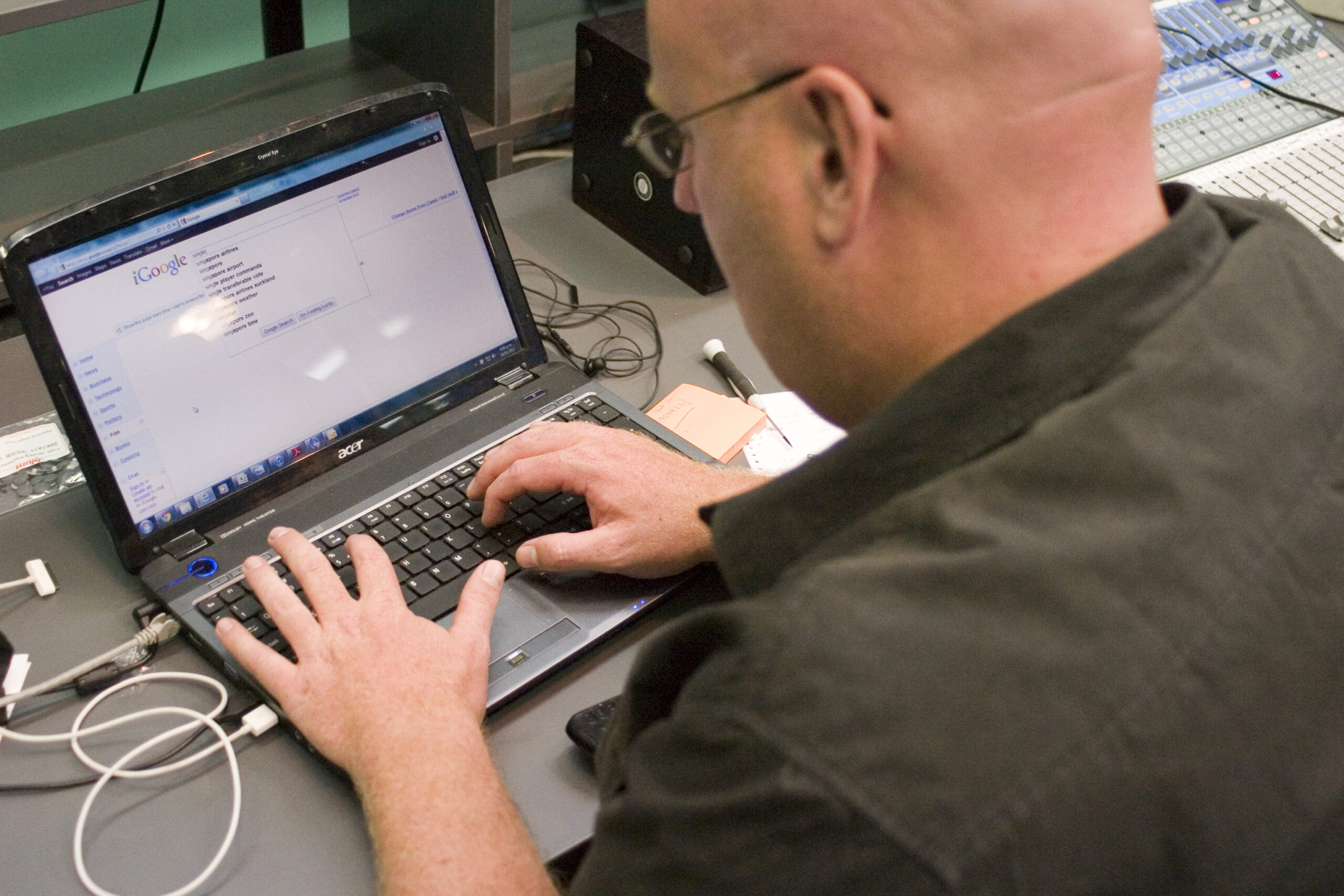
Writing articles nobody searches for is the most common way beginners waste months. A keyword research tool shows you what people actually type into Google, how many competitors you’re up against, and which low-competition phrases a new site can realistically rank for. Jaaxy comes built into Wealthy Affiliate, which keeps everything in one dashboard. If you’d rather start completely free, Google’s Keyword Planner and AnswerThePublic will get you surprisingly far. The non-negotiable part isn’t which tool you pick — it’s doing the research at all, before you write a single article.
4. Writing: Google Docs (Free)
You don’t need a fancy writing app. Google Docs autosaves everything, works on any device, and makes it easy to draft, revise, and paste cleanly into WordPress. The real tool here is the habit: draft in Docs, run a read-aloud pass to catch awkward phrasing, then publish. AI writing assistants can help you outline or rephrase — but write in your own voice. Readers (and Google) can tell when a “review” was never touched by a human.
5. Content Planning: A Simple Editorial Calendar (Free)

The beginners who win are the ones who publish consistently for six months. A basic spreadsheet or notebook where you plan next week’s topics keeps you from staring at a blank screen. Map out a mix of commercial content (reviews, comparisons) and authority content (tutorials, guides) — roughly half and half — and pick a niche you can write about for a year without burning out. The calendar is free; the discipline is the hard part. Once you’re publishing consistently, here are 7 free traffic methods that actually work to get eyes on those articles.
6. Email Marketing: MailerLite (Free to Start)
Social algorithms change; your email list is yours. Start collecting emails from day one, even with five subscribers — a small list of people who trust you beats a big audience you rent from a platform. MailerLite’s free plan is a genuine starting point for beginners (note that free-plan limits were tightened in 2026, so check current terms), with automation that welcomes new subscribers while you sleep. When your list outgrows the free tier, that’s a good problem — it means the list is working.
7. Traffic Analytics: Google Analytics (Free)
Once your site has visitors, you need to know where they come from and what they read. Google Analytics is free and tells you which articles earn traffic, where readers drop off, and which pages lead to affiliate clicks. Check it weekly, not hourly — the data only matters once you have enough of it to act on. One metric worth watching early: which of your review and comparison posts get the most engaged readers. Double down on what works.
8. SEO Monitoring: Google Search Console (Free)

Search Console is the other free Google tool every affiliate site needs. It shows you which search queries already bring you impressions, which pages are climbing, and where technical problems are hurting you. Connect it through your site’s SEO plugin on day one — the data only starts accumulating once it’s connected, so earlier is better. When a post starts getting impressions but few clicks, that’s your cue to improve its title.
9. Graphics: Canva (Free Plan)
Every article needs a featured image, and review posts convert better with simple comparison graphics. Canva’s free plan handles featured images, Pinterest graphics, and YouTube thumbnails with drag-and-drop ease. Keep designs clean and consistent — your readers should recognize your brand at a glance. Whatever you use, stick to images you’re licensed to use: free stock sites and Creative Commons photos with proper credit keep you out of copyright trouble.
10. Video: Your Smartphone (Free)

You don’t need a studio to add video to your affiliate business. A modern smartphone shoots perfectly good video for product demos, screen recordings, and talking-head reviews — and video content gives you a second traffic source on YouTube that feeds your site. Start with free editing apps, a window for light, and honest, unscripted demos. “I actually used this” beats “I read the sales page” every single time.
What to Buy First: The Starter Budget
If your total budget is zero, here’s the honest truth: you can start with everything free on this list — WordPress on cheap or free hosting, free keyword tools, Docs, MailerLite’s free tier, Google’s free analytics, Canva’s free plan, and your phone. You’ll work harder and slower, but the path is real.
If you have around $50 a month to invest, spend it where it removes the most friction: an all-in-one platform like Wealthy Affiliate replaces separate bills for training, hosting, and keyword research in one membership — and don’t forget to claim the free bonuses that come with joining through my link. Everything else on this list stays free until your revenue justifies an upgrade.
The rule that saves beginners the most money: buy a paid tool only when a free one is measurably slowing you down, not because a launch email made it feel urgent. Tools are leverage, not lottery tickets. The leverage works when you do.
The Bottom Line
Your first-year toolkit doesn’t need to be fancy — it needs to be used. Pick one platform to learn the business, one way to find keywords, one way to publish, one way to collect emails, and the free Google tools to measure it all. Then publish consistently for six months before you touch the stack again. If you want the shortest path I know, start with Wealthy Affiliate’s free Starter account and grab the bonuses — it covers training, hosting, and keyword research in one place, and you can judge it honestly before paying a cent.