
Most beginner affiliate sites do not fail because the writing is bad. They fail because the writing is scattered. One week it is a review of a kitchen gadget, the next week it is a post about email software, and the week after that it is a travel tip the writer happened to read about. Every article stands alone, nothing reinforces anything else, and Google never gets a clear signal about what the site is actually an authority on. A content cluster fixes that problem with structure, not with more effort — and it is the single planning habit I would teach a beginner before almost anything else.
Disclosure: This post contains affiliate links. If you sign up through one of these links, I may earn a commission at no extra cost to you.
What a Content Cluster Actually Is
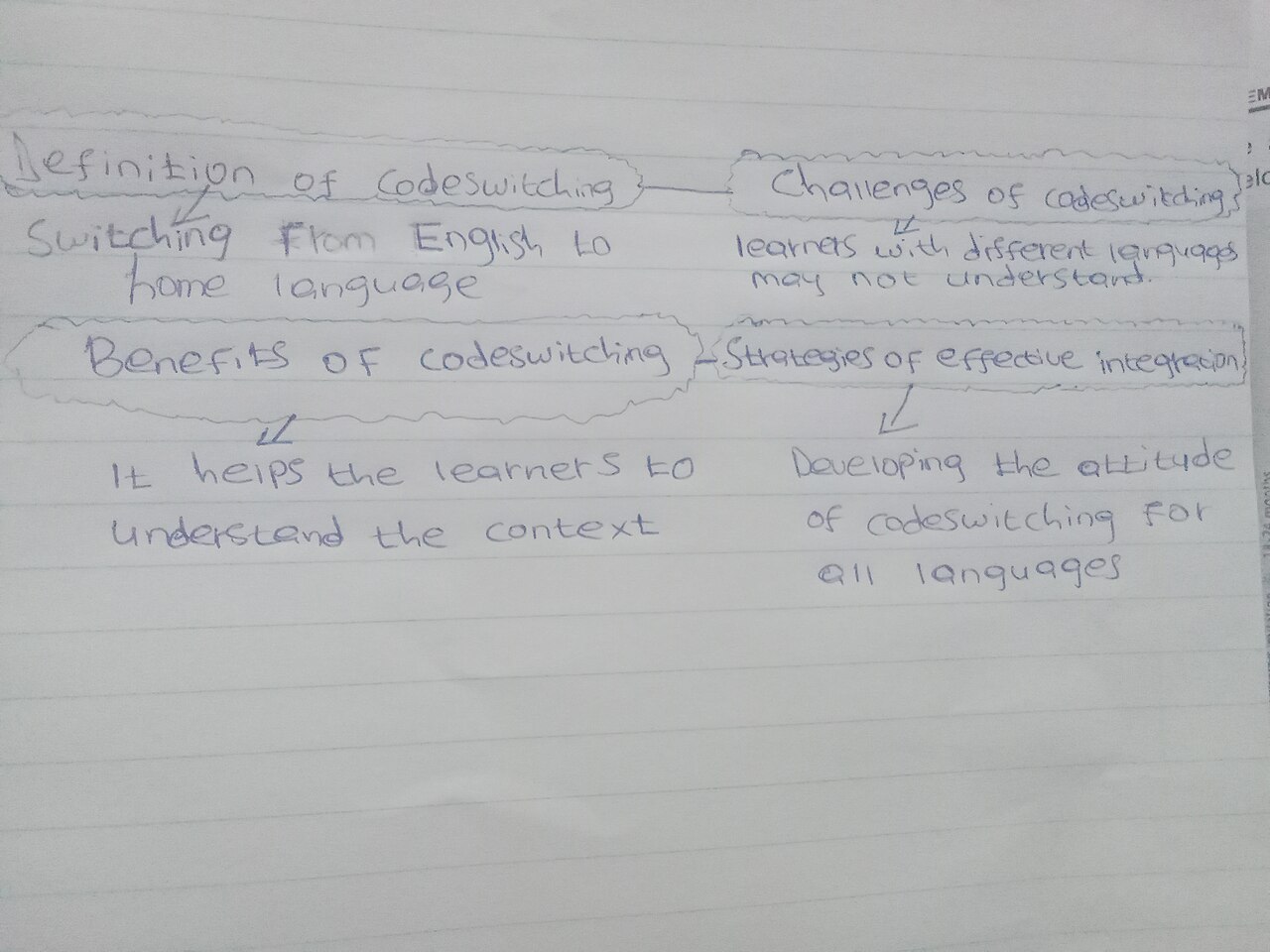
A content cluster is a group of related articles built around one central page. The central page is called the pillar page: a broad, thorough guide to a main topic. Around it sit cluster articles, each covering one narrow subtopic in depth. Every cluster article links back to the pillar, the pillar links out to each cluster article, and cluster articles link sideways to close siblings where it genuinely helps the reader.
Take a simple example. A pillar page called “Beginner’s Guide to Dog Training at Home” could support cluster articles on puppy crate training, leash pulling, house training schedules, and choosing training treats. Each of those articles can also carry affiliate recommendations that fit naturally — but the structure comes first. The cluster is a map of a subject, drawn before you write, instead of a pile of posts you hope adds up to something.
Why Clusters Beat Random Posting for Beginners
Google rewards sites that cover a topic thoroughly, not sites that mention a hundred topics once. When a search engine sees one page about a subject, it sees a page. When it sees fifteen well-linked pages covering that subject from different angles, it starts to understand the site as a resource on that subject — SEO practitioners call this topical authority, and it is one of the few advantages a small site can build without a big backlink budget.
Clusters help beginners in three practical ways beyond rankings. First, planning gets easier: you stop staring at a blank screen wondering what to write next, because the map already answers that. Second, internal linking stops being an afterthought, because the links are planned as part of the structure. Third, readers stay longer — someone who lands on a narrow cluster article can follow a link up to the pillar and sideways to related guides, instead of bouncing back to Google after one page.
Step 1: Pick One Pillar Topic You Can Actually Cover
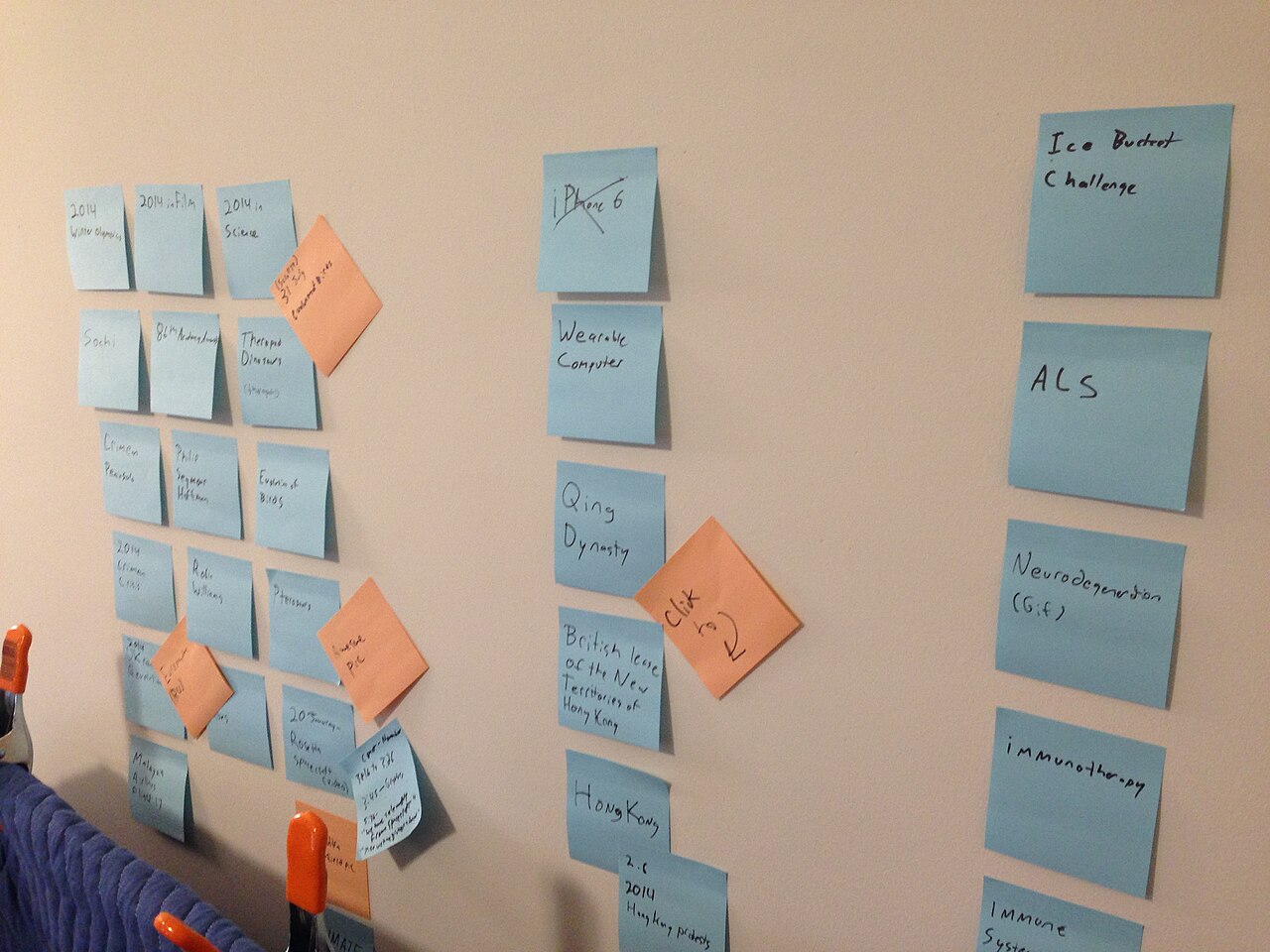
Your pillar topic should pass three tests. It must be narrow enough that you could realistically write ten to fifteen articles about it. It must contain products or services people genuinely buy, because a cluster with nothing to recommend earns nothing. And it must be something you are willing to keep writing about for months — a cluster built halfway and abandoned is just scattered posting with extra planning.
A good test is the notebook test: sit down and list subtopics for fifteen minutes. If you can write down twelve or more specific article ideas without repeating yourself, the topic is deep enough. If you stall at four, the topic is either too narrow to be a pillar (it may still make a great cluster article under a broader pillar) or too far from your real interests to sustain.
Step 2: Map the Cluster Articles From Keyword Research
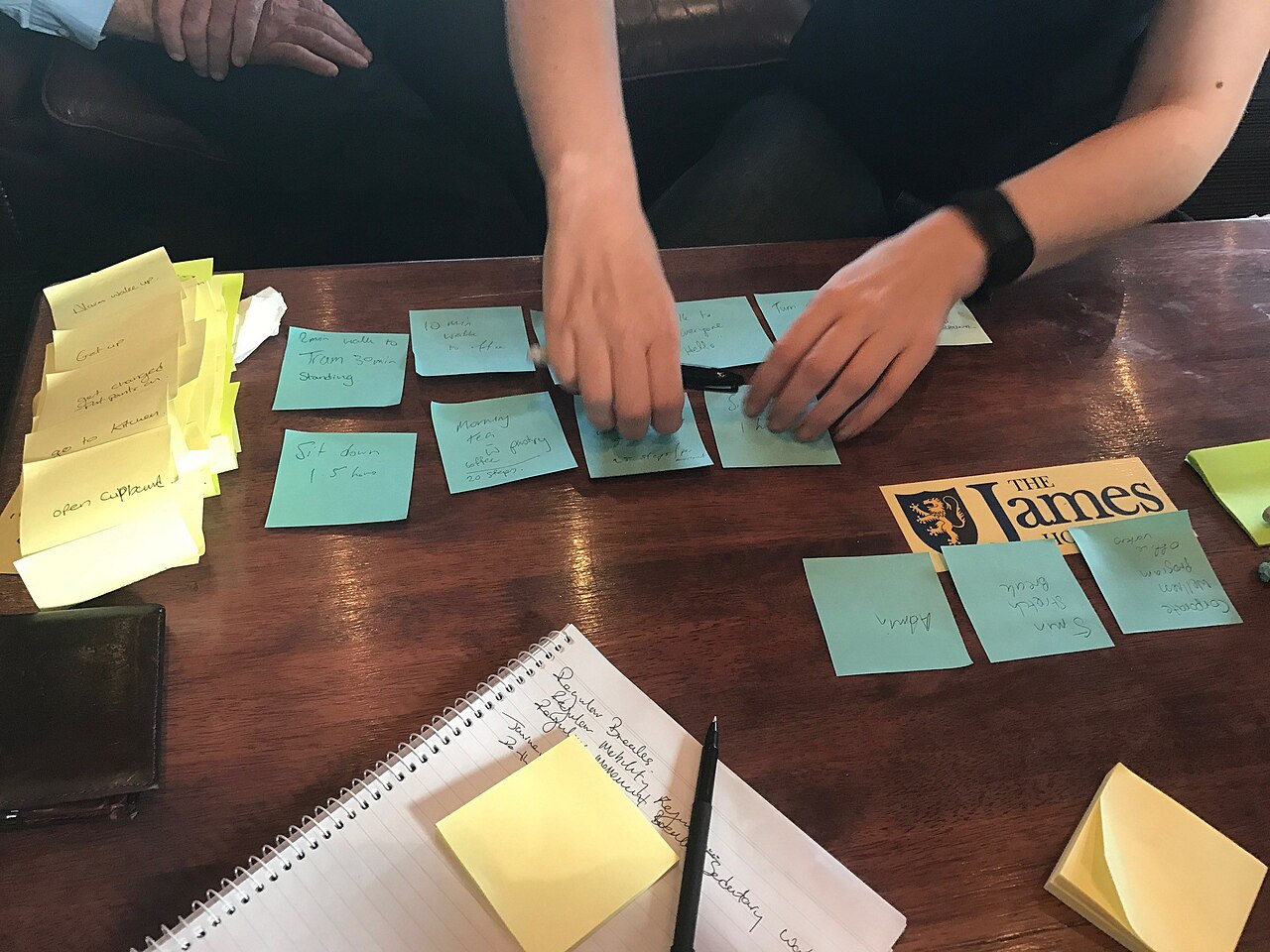
Do not invent your cluster articles from imagination alone — map them from what people actually search for. Start with your pillar phrase and look for the questions, comparisons, and how-to searches around it. Each distinct search intent becomes one cluster article. “Best X for beginners,” “X vs Y,” “how to use X,” and “is X worth it” are different intents and deserve separate pages, while two phrases that mean the same thing belong on one page, not two competing ones.
If you have never done this before, work through my guide to keyword research for affiliate marketing first — the same process that finds one good keyword, repeated around a single topic, is exactly how a cluster map gets built. Aim for a starter map of one pillar plus eight to twelve cluster articles. That is large enough to build a real signal and small enough to finish.
Step 3: Write in a Sensible Order
Beginners often assume the pillar page must come first. In practice, writing three or four cluster articles first is usually easier: narrow topics are simpler to research and write, and by the time you write the pillar you actually know the subject, so the pillar becomes a genuine summary with somewhere useful to send readers. A pillar written first tends to be vague, because there is nothing underneath it yet.
A workable order looks like this: draft the cluster map, write the easiest two cluster articles, write two more that answer common beginner questions, then write the pillar and link it down to everything that exists. After that, keep adding cluster articles one at a time, and update the pillar each time you publish a new piece so it always reflects the full cluster. If you are still working on the basics of structuring a post, my step-by-step guide to writing your first affiliate blog post walks through that part.
Step 4: Link the Cluster Together Properly
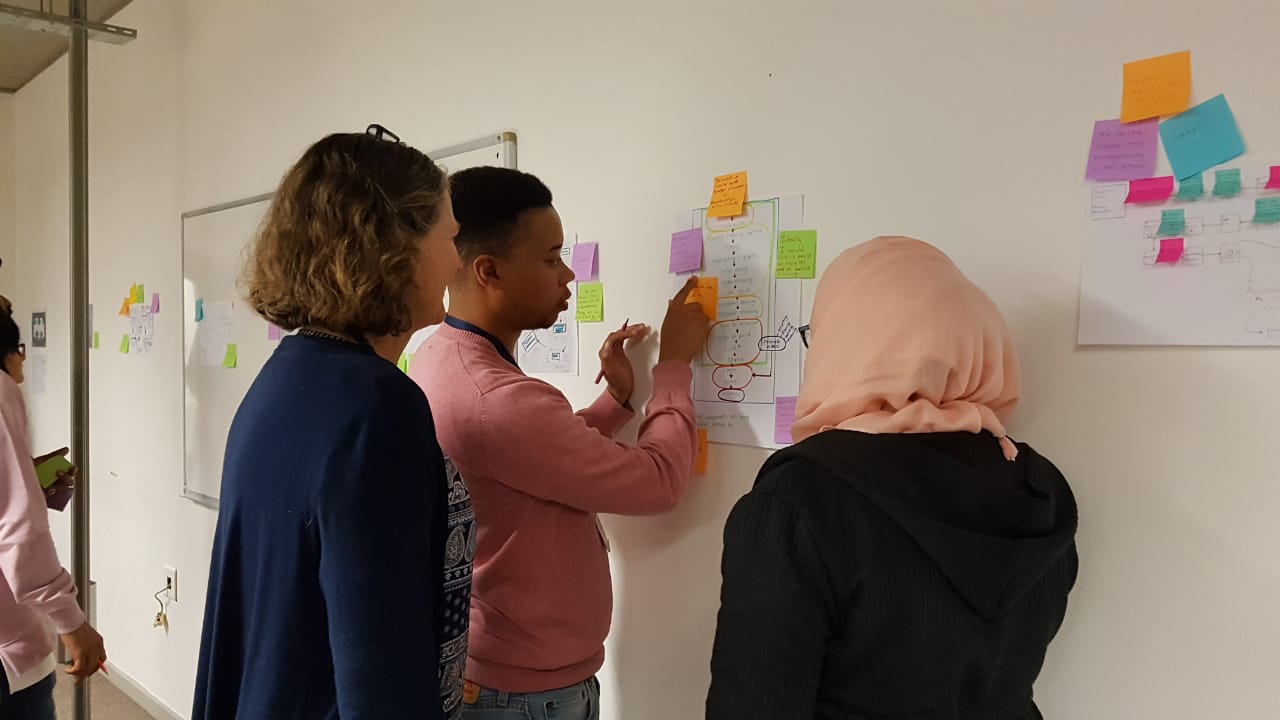
The linking rules are simple, and consistency matters more than volume. Every cluster article links up to its pillar, using natural anchor text that names the broader topic. The pillar links down to every cluster article, usually from a section that introduces that subtopic. Cluster articles link sideways only where the connection is real — a crate-training article can sensibly link to a house-training schedule, but forcing a link to an unrelated product review just because it exists in the cluster weakens both pages.
Use descriptive anchor text rather than “click here,” keep each link where a reader would genuinely want it, and go back and add links from older posts whenever you publish a new cluster piece. That last habit — updating the old to point at the new — is the one most beginners skip, and it is why my on-page SEO checklist for affiliate posts treats internal linking as a publishing step, not a cleanup job for later.
Step 5: Decide Where the Money Pages Fit

A cluster is not just an information library — it should be planned so the commercial pages sit inside it naturally. Typically, the pillar is informational and earns trust, most cluster articles are how-to and question-answering content, and a smaller number are reviews and comparisons written for readers who are close to buying. The informational pages feed readers toward the commercial ones through internal links, which is a far healthier model than making every page a sales pitch.
As a rough balance for a starter cluster, plan on most articles being genuinely helpful guides, with perhaps two or three review or comparison pieces among the first dozen. That ratio keeps the site credible with readers and with Google, while still giving you pages that can earn commissions. Reviews written inside a cluster also tend to convert better, because the reader arrived through helpful content that already established you know the subject.
Common Cluster Mistakes to Avoid
The first mistake is going too broad: “fitness” is not a pillar topic for a beginner site, it is an industry. “Home workouts for busy parents” is a pillar topic. The second is keyword cannibalization — publishing two articles aimed at the same search intent, so they compete with each other instead of reinforcing a cluster. If two planned articles would answer the same question, merge them into one stronger page.
The third mistake is orphan posts: articles published with no links in or out of the cluster. An orphan gets little internal support and sends readers nowhere, so before you publish anything, ask which pillar it belongs under. If the honest answer is “none,” either the post waits or your cluster map needs a deliberate new branch. Finally, do not start three clusters at once. One finished cluster of ten pieces will outperform three half-built clusters of three pieces each, every time.
Where Training and a Keyword Tool Fit In
None of this requires expensive software. A spreadsheet or a notebook can hold a cluster map, and free keyword sources can start the research. Where beginners usually struggle is not the tool — it is knowing the order of operations and sticking with a topic long enough for the cluster to compound. That is the gap structured training is meant to fill.
It is also why I usually point beginners to Wealthy Affiliate for this stage: its step-by-step training is built around choosing a niche and publishing content in sequence, and its built-in keyword tool, Jaaxy, makes mapping cluster topics from real searches straightforward inside the same account. The free Starter membership is enough to work through the early training and draft your first cluster map before paying anything — and if you do join through my link, check the Free Bonuses page for the extra resources I offer readers who sign up through Wealthy Trail. Wealthy Affiliate’s paid tiers and allowances have been revised during 2026, so confirm the current plan details on its site before upgrading.
The Bottom Line
A content cluster turns random effort into compounding effort. Pick one pillar topic you can cover deeply, map eight to twelve cluster articles from real keyword research, write the narrow pieces first, link everything together as you go, and place a few honest review pages inside the structure where they belong. Do that once, finish it, and you will have something most beginner sites never build: a section of your site that Google — and your readers — can clearly understand as the place that covers a subject properly.
If you are ready to plan your first cluster, the cheapest way to start is to create a free Wealthy Affiliate Starter account, work through the niche and keyword training, and draft your map before you write a single article. Readers who join through that link can also claim the extras on the Free Bonuses page. One cluster, finished properly, beats a year of scattered posts.