
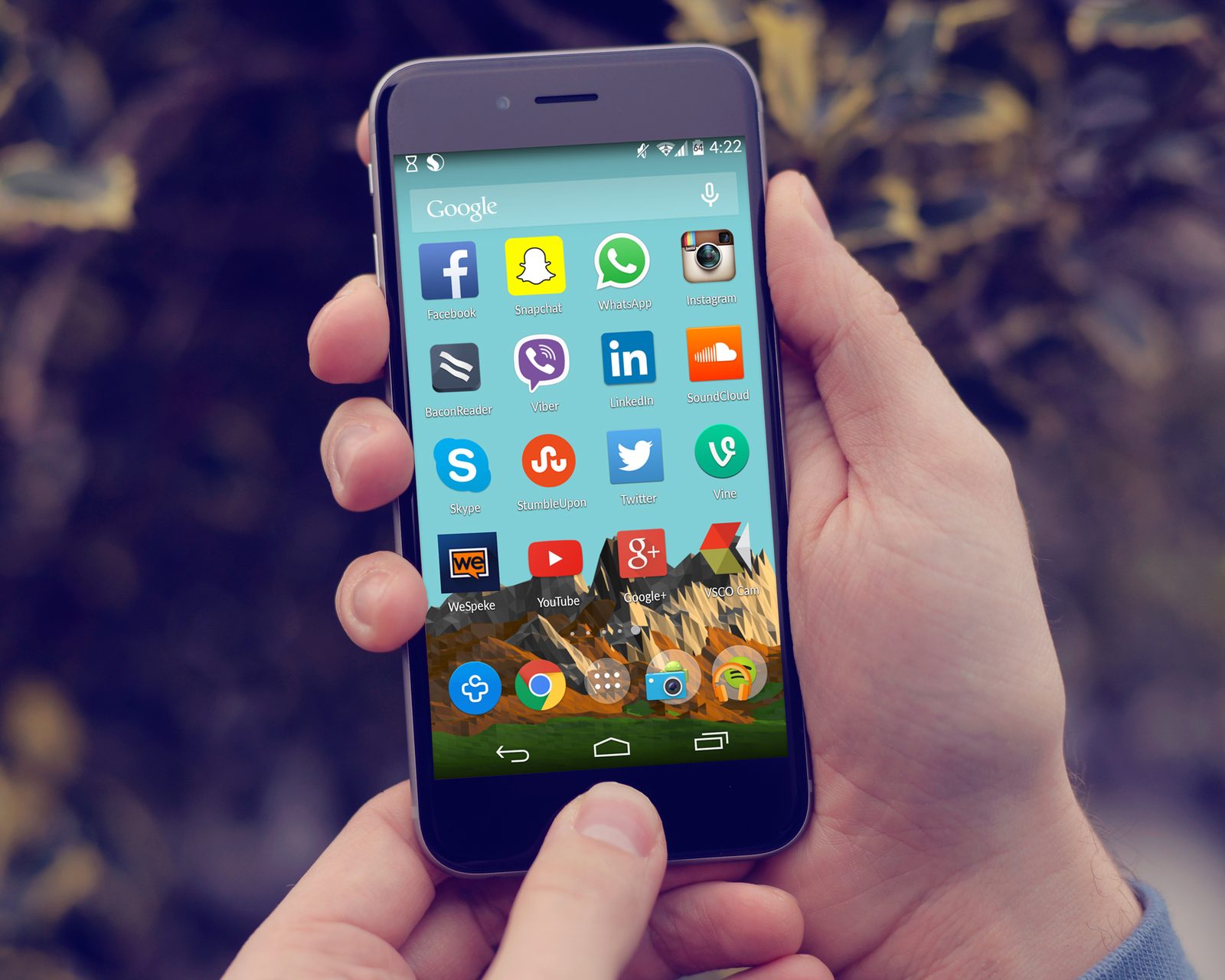
TikTok looks like the easiest place on the internet to make affiliate sales. Somebody films a 40-second video about a product, the video takes off, and the comments fill up with people asking where to buy it. What you do not see is the part that matters: the account behind the video usually spent weeks posting before anything sold, and the creator had a plan for where the traffic goes after the view. This guide covers the two honest ways beginners earn on TikTok in 2026, what TikTok requires before you can earn, and the mistakes that get new accounts shut down.
Disclosure: This post contains affiliate links. If you sign up through one of these links, I may earn a commission at no extra cost to you.
How Affiliate Marketing on TikTok Actually Works

There are two realistic ways to earn affiliate income on TikTok. The first is the TikTok Shop affiliate program. You join as a creator, browse products in TikTok’s marketplace, and tag them in your videos or livestreams. When somebody buys through your video, you earn a commission, and you never hold stock, ship anything, or handle customer service. The seller sets the commission rate, and rates vary widely, from around 1% to as high as 80%. TikTok Shop is a serious channel now: eMarketer estimated roughly $16 billion in US TikTok Shop sales in 2025, and creators drive a growing share of it.
The second way is the classic affiliate model with a twist. You make videos about a topic, build an audience around it, and send that audience to your own website through the link in your bio, where your affiliate links live. This is slower to start, but it is the more durable business: your blog keeps earning from search traffic long after a video stops getting views. Most beginners who last use both, TikTok Shop for quick product videos and a blog for the traffic that compounds.
What You Need Before Your First Video
Before you film anything, pick one niche and one audience. TikTok’s algorithm shows your videos to people based on what they watch, so an account that jumps from skincare to power tools to budgeting confuses the system and the viewers. Choose a topic you can make 50 videos about without getting bored, where people actually buy things. Fitness gear, home organization, budget tech, pet products, and study tools all work.
Then decide what kind of account to run. A personal account can do everything a creator needs, but the bio link stays locked until you pass a follower threshold. Switching to a Business account unlocks the bio link immediately with no follower minimum, but a Business account only gets TikTok’s Commercial Music Library, so you lose the trending sounds personal accounts can use. For most beginners, starting personal and switching later if needed is the simpler path.
Joining the TikTok Shop Affiliate Program
In the United States, you can apply to become a TikTok Shop Affiliate Creator once you have at least 1,000 followers. You also need to be at least 18, based in the US, and have an account in good standing. A widely repeated 5,000-follower figure is real but misunderstood: that is the line where you graduate out of the Creator Pilot Program, not the line where you get in. Apply inside the app through TikTok Studio, then Monetization, then TikTok Shop for Creator. TikTok will ask you to verify your identity, which can include a government ID and tax information.
If you join with between 1,000 and 5,000 followers, TikTok places you in the Pilot Program for at least 30 days. You can promote and earn right away, but with limits, including a cap of three shoppable videos per day. Once you cross 5,000 followers, complete 30 days, and keep a clean account standing, you graduate to full marketplace access. After approval, check each product’s commission rate before you film: a product at a 2% commission needs far more sales than a similar product at a higher rate.
The Bio-Link Route: Send TikTok Traffic to Your Blog
Here is the limitation every beginner hits: TikTok does not let you put clickable links in video captions. The one clickable website link you get lives in your bio, and on a personal account it unlocks at 1,000 followers, or immediately if you register a Business account. That single link is precious, so point it at a page that does real work: a blog post that fully answers the question your video raised works best, because the reader arrives warm and the post can carry your affiliate links naturally.
This is why a TikTok strategy and a blog strategy belong together. Your videos are the discovery engine; your blog is where the buying decision happens. If you do not have a blog yet, build that foundation first: one niche, a handful of honest posts, and a clear way for readers to find your recommendations. If you want a guided way to build it, Wealthy Affiliate’s training walks beginners through setting up a website and writing content that ranks, and the free bonuses here on Wealthy Trail include the starter checklists that go with it. Affiliate marketing without a website is possible in other ways too, as covered in the guide to promoting affiliate links without a website, but the bio-link-to-blog route is the one that scales without depending on a single platform’s mood. The same pairing works on longer-form video, as the YouTube affiliate guide on this site shows.
The Videos That Actually Sell (Without Feeling Salesy)

The videos that earn are rarely the ones that look like ads. TikTok users scroll past anything that opens with a sales pitch: the first two seconds decide whether someone stays. Open with the problem, not the product. “My desk was a mess until I tried this” beats “Buy this organizer, link in bio” every time, because the first version is a story and the second is a commercial.
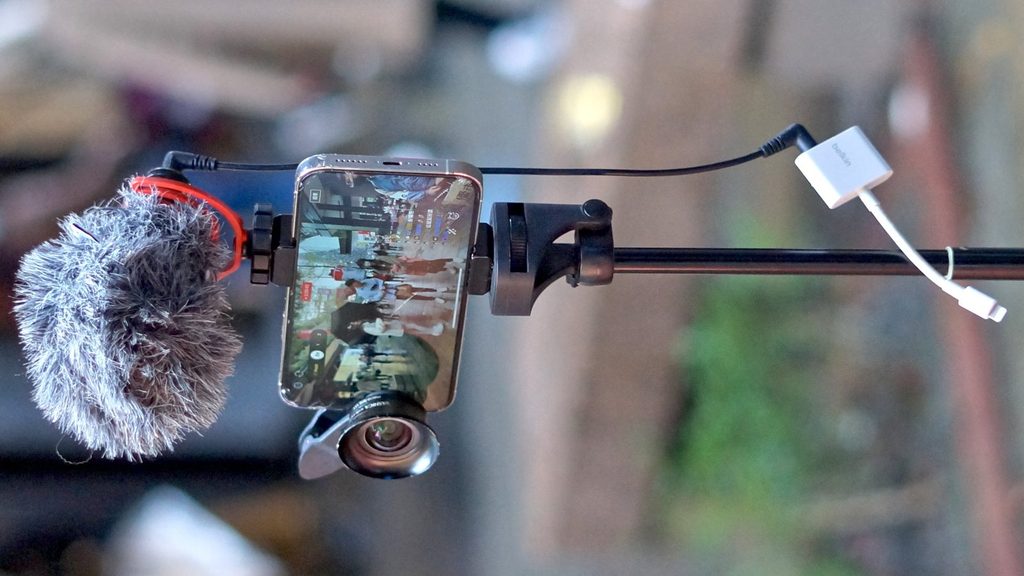
Four formats work reliably for beginners. A genuine demo shows the product doing its job in real conditions, flaws included. A problem-and-solution video names a frustration your audience recognizes, then shows the fix. A comparison video puts two similar products side by side and gives an honest verdict. And a “what I wish I knew” video shares the mistakes you made before finding the thing that worked. In all four, the product is the answer to a story the viewer already cares about, not the subject of the video. Film with your phone, in natural light, talking like you would to a friend.
Post three to five videos a week and measure the right thing: which videos hold viewers past the first three seconds, and which ones get saves and shares, not just likes. Saves and shares are the signals that someone found the video useful enough to keep, and useful videos are the ones that sell.
The Rules That Keep Your Account Safe
TikTok is not a free-for-all, and beginners lose accounts over rules they never read. First, disclosure is not optional: the FTC requires creators to clearly disclose affiliate relationships, so use #ad or TikTok’s branded content toggle on any video where you earn from a sale, and say it plainly in the video itself. Second, never buy followers or engagement. TikTok can detect it, it wrecks your reach because fake followers never watch, and it can get you permanently removed from the Shop affiliate program. Third, follow TikTok Shop’s content policies: no misleading claims, no fake before-and-after results, no promising results a product cannot deliver. Fourth, only promote products you have actually tried or properly researched. One dishonest recommendation costs more trust than ten good ones earn. Payouts also run through TikTok’s own system, and TikTok may ask for identity verification before you can withdraw your first commission, so keep your account and tax details up to date. And keep copies of your best videos outside TikTok: platforms change their rules, and a creator whose whole business lives inside one app has no backup plan.
Your First 30 Days on TikTok: A Realistic Plan

Week one is setup, not selling. Pick your niche, set up your profile, and post five videos about the problems your audience has, with no affiliate links at all. Week two, apply for the TikTok Shop affiliate program if you have hit 1,000 followers, or keep growing toward it while you publish your first blog post for your future bio link to point to. The step-by-step guide to writing your first affiliate blog post is a good starting point. Week three, publish your first two or three shoppable videos, choosing products with decent commission rates that you genuinely use, and reply to every comment: the questions that keep coming up are your next video ideas. Week four, double down on whatever format performed best and set your bio link to the post that matches your best-performing video topic. If nothing has sold yet, that is normal. The timeline in the realistic guide to how long affiliate marketing takes applies here too: TikTok is faster for discovery than blogging, but trust takes the same amount of time.
Beginner Mistakes That Kill TikTok Affiliate Accounts
The most common mistake is promoting a different product every day. Your audience cannot tell what you actually stand for, and the algorithm cannot tell who to show your videos to, so pick a lane and stay in it for at least a month. The second mistake is copying viral videos word for word: TikTok’s audience has seen the original, and a copy with no personal experience behind it reads as hollow, so borrow the format and bring your own experience. The third is ignoring the comments, where buyers ask the questions that turn into sales. The fourth is treating TikTok Shop like a catalogue, posting product after product with no story, no demo, and no honest opinion. Finally, do not build your entire income on rented land: TikTok is a powerful discovery engine, but you do not own the audience, the algorithm, or the rules. The creators who last use TikTok to find people and a blog and an email list to keep them.
TikTok affiliate marketing rewards the same things affiliate marketing has always rewarded: a clear niche, honest recommendations, and patience while an audience learns to trust you. The platform just makes the feedback loop faster. Start with one niche, post three to five honest videos a week, join the Shop program when you qualify, and build the blog that turns viewers into buyers. If you want structured training for the blog half of that equation, Wealthy Affiliate’s step-by-step courses cover the website, the content, and the traffic side in one place, and the free bonuses on this site are yours whether you start with the free Starter account or go further. The videos get you discovered. The foundation is what gets you paid.