
Every beginner affiliate site hits the same wall. You have published a dozen decent posts, your pages are indexed, and still almost nothing ranks beyond page two. Often the missing piece is not more content — it is trust. Google treats a link from another website to yours as a small vote of confidence, and a brand-new site starts with almost no votes. This guide explains what backlinks actually are, what Google penalizes, and the honest, beginner-friendly ways to earn your first real links without buying them, spamming forums, or risking the site you are trying to build.
Disclosure: This post contains affiliate links. If you sign up through one of these links, I may earn a commission at no extra cost to you.
What a backlink actually is (and why quality beats quantity)
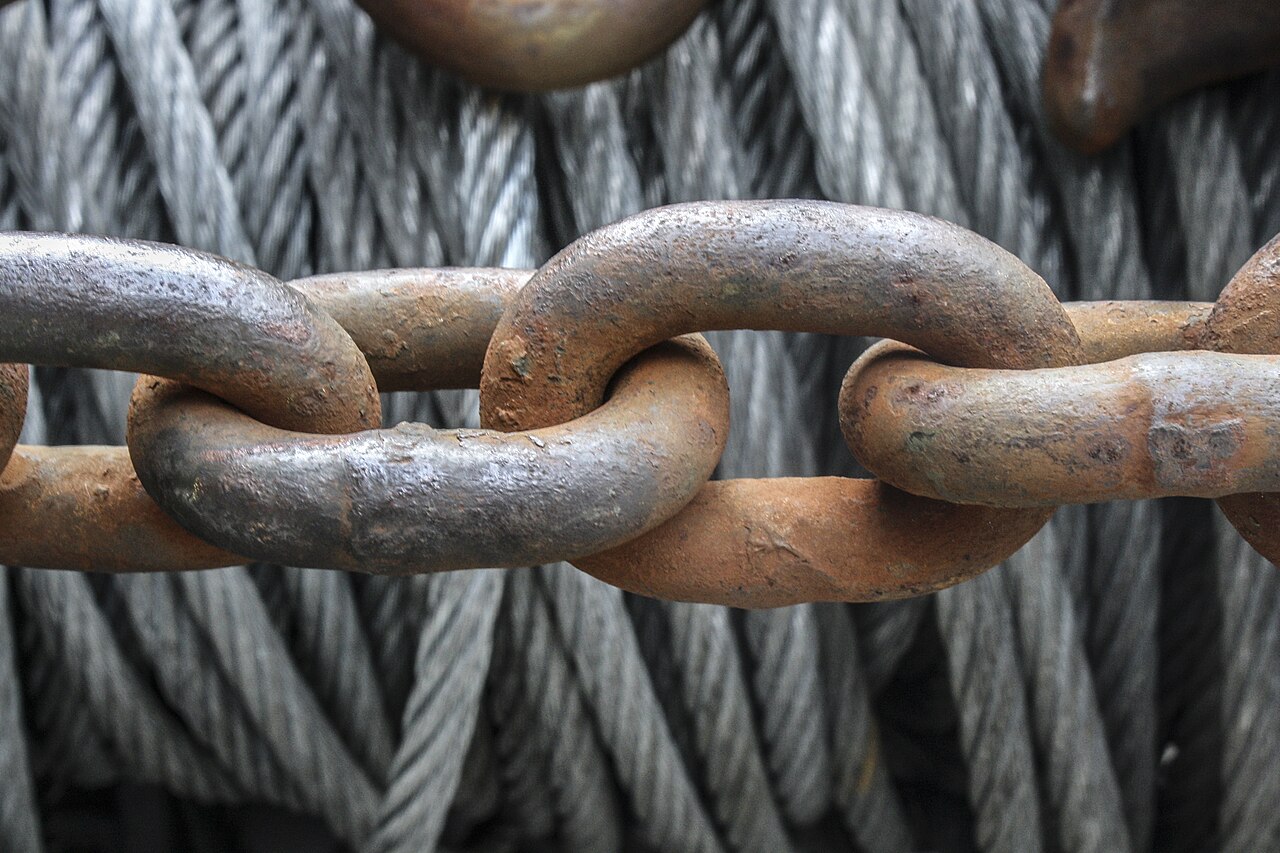
A backlink is simply a link on someone else’s website that points to a page on yours. Search engines use those links as one signal among many: if relevant, trusted sites reference your guide, that is evidence your guide is worth showing to other people too.
Two things matter far more than the raw count. The first is relevance — a link from a site in your niche, inside an article about your topic, is worth far more than a random link from an unrelated directory. The second is trust — one link from a real site with real readers usually outweighs dozens of links from sites nobody visits. That is why this whole guide is about earning a small number of good links slowly, rather than chasing a big number quickly.
What Google actually penalizes
Before the methods, the guardrails — because the internet is full of offers that can hurt a new site. Google’s spam policies treat buying or selling links that pass ranking credit as a link scheme. That includes bulk link packages, private blog networks (PBNs), paid guest posts sold purely for the link, and link insertions bought into old articles. Paid advertising itself is allowed, but the link is supposed to be marked with rel=”sponsored” so it does not pass ranking credit.
In practice, the most common outcome today is not a dramatic penalty notice. Google’s spam systems increasingly just ignore the manipulative links, so the money is wasted and nothing improves. In worse cases a site can receive a manual action in Search Console. Either way, for a beginner the maths is simple: shortcuts cost money, add risk, and build nothing you own. Skip them entirely.
Step zero: make the site worth linking to first

Nobody links to a thin, half-finished site, and outreach for one is demoralising. Before you ask anyone for anything, get three things in place. First, publish a small set of genuinely useful pages — a handful of thorough guides beats thirty short posts. Second, make sure each page is properly put together: clear title, sensible headings, helpful images, and good internal links. My on-page SEO checklist for affiliate blog posts walks through that page-by-page routine.
Third, organise those pages so they reinforce each other. A content cluster — one broad pillar page supported by narrower articles that all link to each other — gives other sites one obvious, strong page to link to, instead of forcing them to choose between five similar posts. Pick your best one or two pages as your link targets and focus all your effort there.
Method 1: Create one genuinely linkable asset
The most reliable way to earn links is to publish something other writers need to reference. For a beginner, that does not mean a huge research study. Practical linkable assets include a thorough checklist people can copy, a free template or worksheet, a carefully maintained list of statistics or tools for your niche, or a definitive guide that answers a question better than anything else ranking.
Notice the pattern: the asset saves the linker work. A blogger writing about your topic would rather link to your ready-made checklist than rebuild one. Build one asset, make it the best page on your site, and then tell relevant people it exists — which is what the next methods are for. If you are still building the underlying site and training at the same time, that is exactly the sequence taught inside Wealthy Affiliate: build the site properly first, then grow it. You can also claim the extra starter resources on my Free Bonuses page when you join through this site.
Method 2: Guest posting, done properly

Guest posting means writing a useful article for another site in your niche, with a natural link back to a relevant page of yours, usually in the body or author bio. It still works in 2026 — when it is selective. One real article on a real site with real readers, written to genuinely help that audience, is a legitimate placement. Fifty spun articles on sites that publish anything are a pattern Google is good at ignoring.
Keep it simple and honest: pick five to ten sites your audience actually reads, read their recent posts, pitch one specific idea that fills a gap for them, and write it as well as you would write for your own site. Use natural anchor text — your site name or a plain description of the page — not the exact keyword you want to rank for, repeated everywhere. Expect rejections and silence; a reply rate of one in ten is normal and is not a sign you are doing it wrong.
Method 3: Resource pages and broken link building
Many sites maintain a resources or tools page that links out to the best guides on a topic. Search for your topic plus words like “resources”, “tools”, or “best guides”, find pages that already link to content like yours, and send a short, specific note: what your page covers, and why it would help that page’s readers. You are asking an editor to improve their page, not begging for a favour — keep the email to a few lines and make the benefit obvious.
Broken link building is the same idea with a head start. Sites often link to pages that have since been deleted or moved, leaving a dead link. If you find a dead link on a relevant page and you have (or can quickly write) a page that covers the same ground, telling the owner helps them fix their site and gives them a ready replacement. Free browser extensions and link checkers can flag dead links on a page in seconds, so this costs time, not money.
Method 4: Expert quotes, podcasts, and roundups
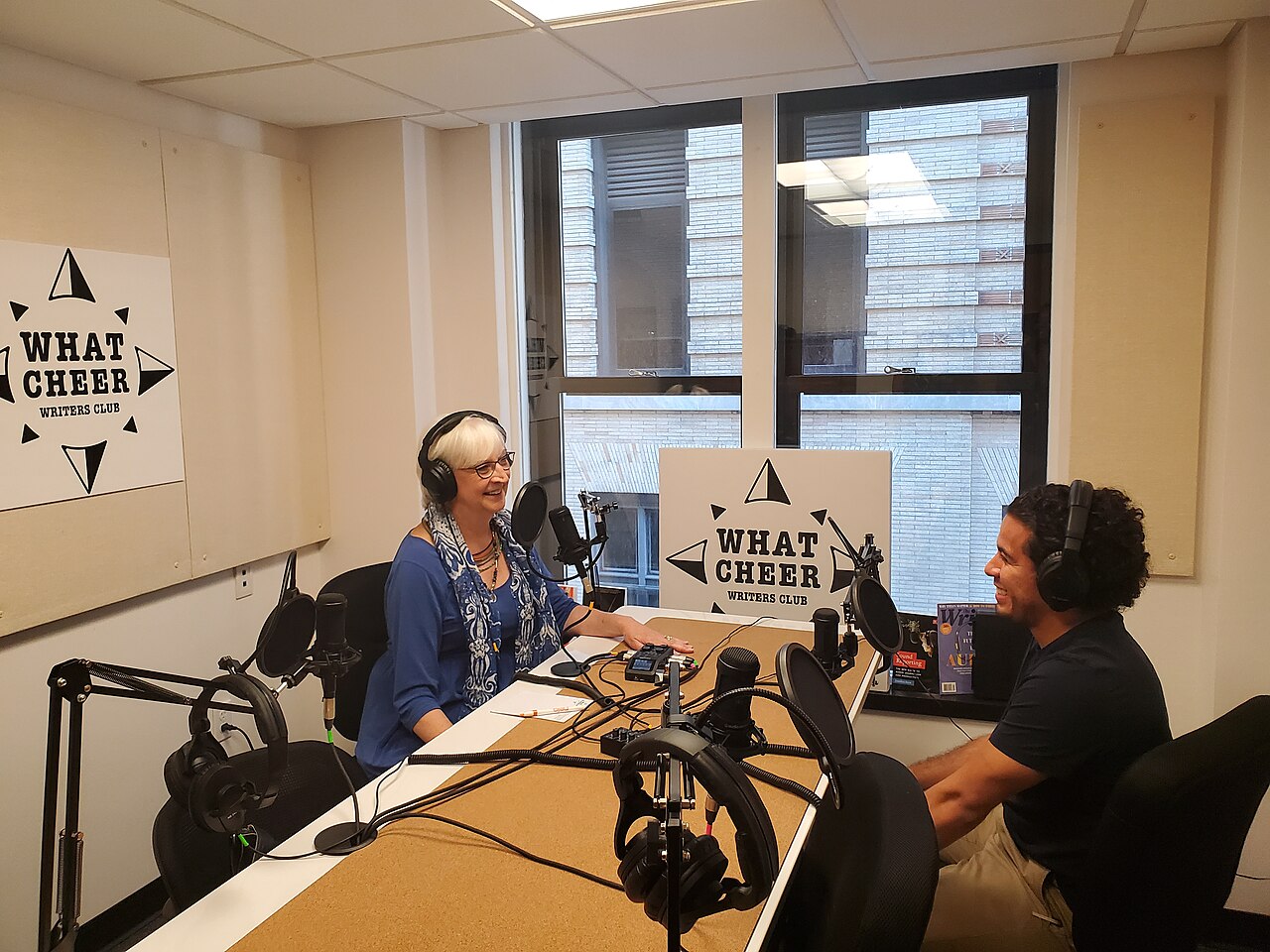
You do not need to be famous to be quoted — you need to be helpful and fast. Journalists and bloggers regularly look for short expert quotes for articles, and services that connect writers with sources will send you relevant requests if you sign up. Answer only the ones you genuinely know about, reply with two or three usable sentences and your name and site, and some of those mentions will include a link.
The same principle applies to niche podcasts and expert roundups. Small shows in your niche are often looking for guests with a specific, practical story — what you tested, what failed, what you would do differently. A thirty-minute conversation can earn you a show-notes link, new relationships, and ideas for your own content. None of this scales overnight, and that is precisely why it works: it is built on being a real person in a real niche.
Method 5: Relationships, mentions, and your own channels
Some of the easiest first links come from places that already have a reason to list you: profiles and communities you genuinely participate in, partners whose tools or products you honestly review, and sites that have already mentioned your brand or content without linking — a polite note asking them to add the link is the lowest-friction outreach there is, because they have already endorsed you.
Finally, remember that links are only one traffic source, not the whole strategy. While a link profile grows slowly in the background, keep working the channels you control. My guide to getting free traffic to an affiliate website covers the methods that bring visitors long before backlinks start to move rankings — and visitors who love a page are themselves a source of future links, because people share and cite what helped them.
A simple first-month plan

Here is a realistic weekly rhythm for a beginner doing this alongside writing content. In week one, finish step zero: pick your one or two link-target pages and polish them properly. In week two, build or upgrade one linkable asset — a checklist, template, or definitive guide. In week three, send ten careful outreach emails in total, split between resource pages and guest post pitches — personalised, specific, and short. In week four, sign up for one source-matching service, answer two or three good-fit requests, and pitch yourself to two small podcasts or roundups in your niche.
Then repeat the cycle rather than escalating it. Check Search Console once a month to see which new sites link to you and whether impressions on your target pages are moving. Expect this to be measured in months, not days — that slow, compounding pattern is normal, and it is the same patience that the rest of this business requires. If you want the training, hosting, and keyword tools bundled while you work through it, Wealthy Affiliate’s free Starter membership lets you start without paying, and the Free Bonuses page explains the extra support available when you upgrade through this site.
The bottom line
Backlinks still matter, but for a new affiliate site the winning approach is unglamorous: make one or two pages genuinely worth citing, then do a small amount of honest outreach every week — guest posts on real sites, resource pages, broken-link fixes, expert quotes, and relationships in your niche. Do not buy links, do not join networks, and do not measure yourself by a link count. Measure yourself by whether real people in your niche are starting to know your site’s name. The links follow that, and unlike the shortcuts, they keep working. When you are ready to build the site those links will point to, you can start free with Wealthy Affiliate and pick up the extras on the Free Bonuses page.