

Most affiliate marketers treat email as a chore: slap a product link into a newsletter, hit send, and wonder why nobody clicks. But email is still the highest-trust channel an affiliate marketer owns. Industry benchmarks put average email open rates around 21% and click-through rates near 2.6% (Mailchimp/Campaign Monitor global averages) — modest numbers that hide a huge truth: the gap between a lazy affiliate email and a well-written one is enormous. A good subject line and a clear call to action can double or triple the clicks you get from the same list.
Disclosure: This post contains affiliate links. If you sign up through one of these links, I may earn a commission at no extra cost to you.
You do not need to be a “natural writer” to write emails that convert. Email copywriting is a repeatable skill, and beginners can learn it fast because the format is short and the feedback is instant — every send tells you what worked. Here is how to write affiliate emails people actually open, read, and click.
Your Subject Line Decides Everything
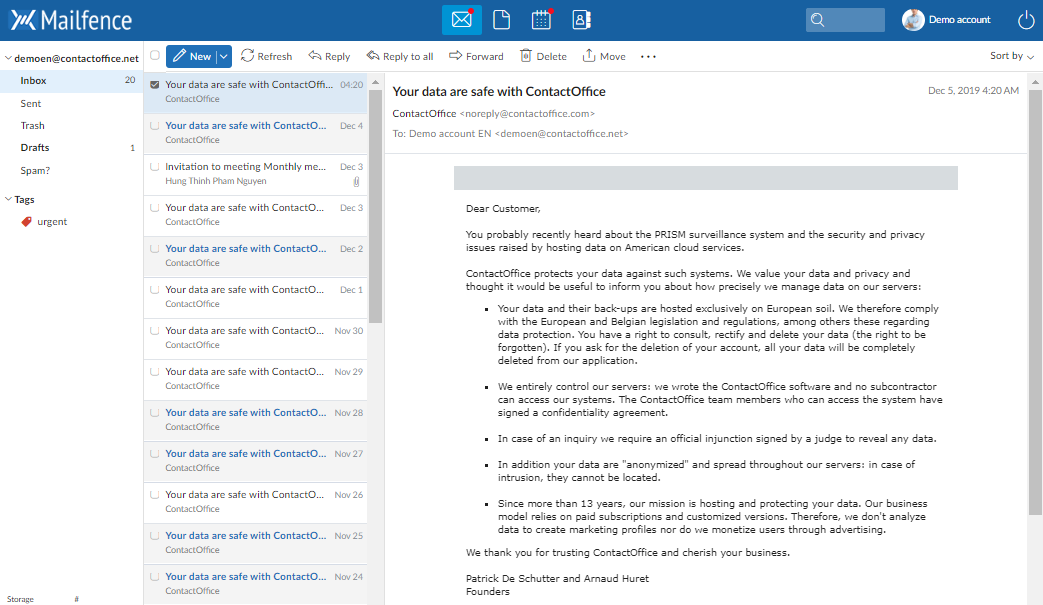
Nobody reads an email they never open, so the subject line is the highest-leverage sentence you will ever write. Keep it short — under 50 characters so it doesn’t get cut off on phones — and aim for honest curiosity over hype.
Hype subject lines (“MAKE $10,000 THIS MONTH!!”) don’t just turn people off; they train spam filters and subscribers to ignore you. Curiosity with credibility works better: “The tool that cut my research time in half,” “Why I’m switching to this (full breakdown inside),” “A mistake I made with my first list.” Notice the pattern: each one promises something specific and sounds like a real person wrote it.
Study the subject lines of emails you actually open. You’ll notice the winners almost always sound like a message from a friend, not a billboard.
The First Three Lines Decide the Rest

Most people decide whether to keep reading within the first few seconds. Open with a relatable hook — a frustration, a small confession, a scene — not throat-clearing like “I hope this email finds you well” or “In this newsletter, I’ll be discussing…”
Weak opener: “Today I want to talk about the importance of email marketing for affiliate marketers.”
Strong opener: “My first 40 emails got almost zero clicks. Then I changed one thing about how I opened them.”
The second opener creates an open loop — your reader’s brain wants the missing piece. Feed it within the next paragraph, and you’ll carry them all the way to your call to action. Every sentence in an email has exactly one job: get the next sentence read.
One Email, One Job

The biggest beginner mistake is asking for too much: three products, a blog post, a survey, and a social follow in a single email. When everything is important, nothing is. Give each email exactly one call to action.
Simple frameworks make this easy. PAS (Problem, Agitate, Solve) is a workhorse for affiliate emails: name a problem your reader has, describe what it costs them, then position the product as the solution and link to it. AIDA (Attention, Interest, Desire, Action) works well for launch-style emails where you’re announcing something new.
You don’t need to memorize frameworks to start. Just ask before you hit send: “If the reader does exactly one thing after this email, what should it be?” Then make that thing impossible to miss — a clear link or button, repeated at the end.
Sell the Click, Not the Product
Here’s the mental shift that changes everything: your email is not the sales page. Its only job is to earn the click to the sales page. That means you don’t need to list every feature, answer every objection, or write 800 words.
Instead, build a curiosity gap. Say enough about the product to make the click feel worthwhile, and leave the full details for the page you’re linking to. If you’re promoting a training platform, describe the single result or feature that surprised you most, then invite the reader to see how it works. Tease the movie; don’t spoil it.
This is exactly what I do when I recommend the platform I use myself. I don’t recite its feature list in the email — I tell a short story about a specific problem it solved for me, then link to Wealthy Affiliate so readers can look at it properly. (Claim my free bonuses here if you join through that link.)
Tell Stories, Not Spec Sheets

People remember stories; they forget bullet points. A two-sentence anecdote beats a paragraph of specifications every time.
You don’t need dramatic tales. Small, specific, and honest wins: the keyword tool that found your first ranking post, the evening you realized your emails were landing in the promotions tab, the free training that finally made a concept click. Specificity is what makes a story feel true — “I spent three hours on Saturday” beats “I worked hard.”
One caution: keep your stories honest. Never invent results you don’t have, and never present someone else’s screenshot as your own. Trust is the entire asset in affiliate marketing — one fabricated claim can destroy a list you spent months building.
Balance Value and Promotion
If every email is a pitch, your list becomes a graveyard. Readers unsubscribe, and the ones who stay stop opening. The marketers who earn real commissions from email send far more helpful content than promotions: tutorials, honest breakdowns, answers to reader questions, and only then a recommendation that fits.
A practical rhythm for beginners: for every promotional email, send at least one or two pure-value emails. Teach something genuinely useful, recommend products only where they’d naturally help, and your affiliate emails will convert dramatically better — because your audience will actually believe you.
If you’re still building your list and want the full walkthrough, start with my beginner’s guide to building your first email list — copywriting only matters once you have subscribers to write to.
Make Every Email Skimmable
Most of your subscribers will read on a phone, distracted, with half a minute to spare. Write for that reality:
- Keep paragraphs to one to three sentences.
- Use short sentences and plain words. No jargon.
- Put your link or button somewhere it can’t be missed — and repeat it once at the end.
- Write like you talk. Read the email out loud; if a sentence sounds awkward spoken, rewrite it.
Plain-text-style emails often outperform heavily designed templates for affiliates, because they feel like a message from a real person rather than a marketing department. Clean beats flashy when you’re asking for trust.
A Simple Template to Steal
Put it all together and a beginner affiliate email looks like this:
- Subject line (under 50 characters): honest curiosity.
- Lines 1–3: a hook — a frustration, confession, or surprising detail.
- Body: the short version of the story or lesson, using PAS or AIDA if it helps.
- The link: one clear call to action — sell the click, not the product.
- P.S.: repeat the benefit and the link. A surprising number of readers skip straight to the P.S.
Want to see this style applied to a real recommendation? When I email about Wealthy Affiliate, the email is never “here are 47 features.” It’s one story — usually about a beginner stumbling block — one honest reason the platform solves it, and one link. (Don’t forget the free bonuses if you sign up through my link.)
The Long Game: Consistency Beats Cleverness
Finally, the unglamorous truth: the email copywriters who earn the most aren’t the most clever — they’re the most consistent. Email compounds. A subscriber who ignores your first ten emails may click the eleventh because something in it finally matched their moment.
Set a schedule you can actually keep — once a week is plenty for beginners — and treat every send as practice. Check your open and click rates, try one change at a time, and keep what works. Affiliate income from email is slow to start and then disproportionate, because unlike social media, nobody can throttle your reach to your own list.
And be patient with the overall journey. As I covered in my realistic affiliate marketing timeline, email is one of the channels that rewards persistence the most — list building, writing skill, and trust all grow together. Start writing this week, and your list will thank you for it.