

If you’re just getting started with affiliate marketing, two names keep popping up: Wealthy Affiliate and Making Sense of Affiliate Marketing. Both have helped thousands of beginners, both get recommended constantly, and both will happily take your money. But they are completely different products solving different problems — and picking the wrong one for where you are right now is the most expensive mistake a beginner can make.
Disclosure: This post contains affiliate links. If you sign up through one of these links, I may earn a commission at no extra cost to you.
Wealthy Affiliate vs Making Sense of Affiliate Marketing: The Short Answer
Making Sense of Affiliate Marketing is a one-time-purchase online course by Michelle Schroeder-Gardner, the blogger behind Making Sense of Cents. It teaches affiliate marketing strategy to people who already have a blog — how to pick products, write reviews that convert, follow disclosure rules, and grow affiliate income. It includes no website, no hosting, and no research tools.
Wealthy Affiliate is an all-in-one platform that has been around since 2005. It combines step-by-step beginner training with managed WordPress hosting, a keyword research tool, AI writing assistance, and an active community — everything you need to build an affiliate site from zero, all in one subscription.
The short version: if you already have a blog with traffic and just want to monetize it better, Making Sense of Affiliate Marketing is the cheaper, more focused option. If you’re starting from absolute zero with no website, Wealthy Affiliate gives you the whole business infrastructure in one place. You can explore Wealthy Affiliate’s free Starter plan here, and don’t forget to claim the free bonuses that come with signing up through this site.
What Making Sense of Affiliate Marketing Actually Is
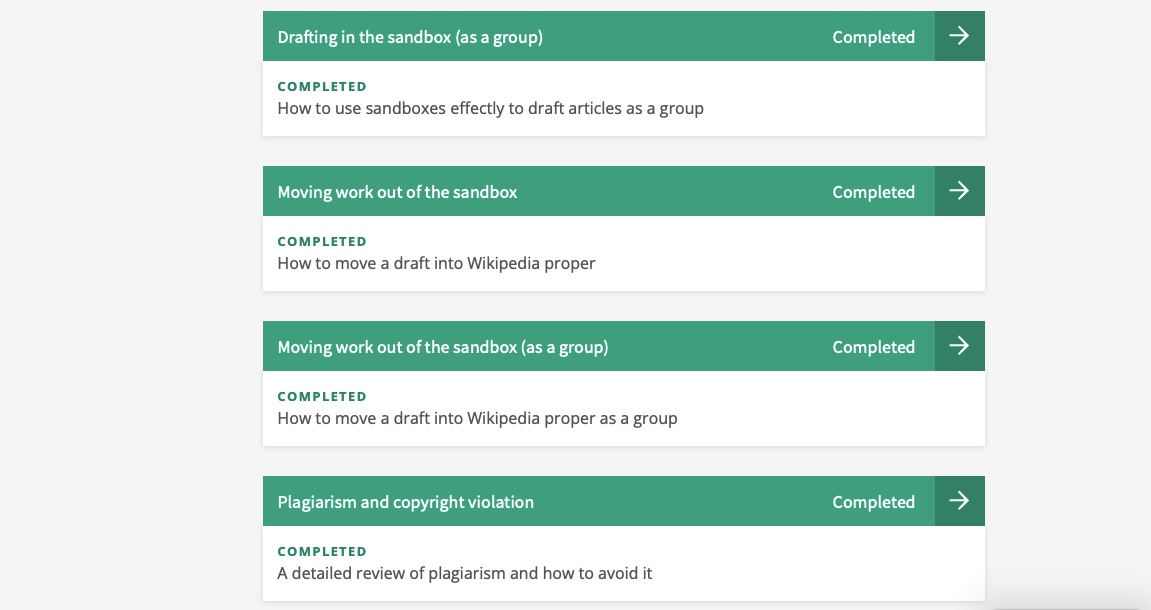
Making Sense of Affiliate Marketing is a text-based course hosted on Teachable. There are no video lessons — the entire curriculum is written lessons, worksheets, and bonuses you work through at your own pace. The course covers six modules and 30+ lessons, including what affiliate marketing is, how to find and apply to affiliate programs (with a list of 80+ program ideas across niches), disclosure and compliance rules, how to get readers to convert, and promotion strategies including reviews, tutorials, resource pages, email lists, and Pinterest.
You also get printable worksheets, bonus interviews and case studies, lifetime access with future course updates, and access to a private Facebook Mastermind group. It comes with a 30-day money-back guarantee, though you’ll need to show you actually went through the material and took action.
The critical thing to understand: this course assumes you already know how to build and grow a blog. It teaches monetization very well. It does not teach you how to set up WordPress, pick a niche from scratch, do keyword research, or get traffic. If you don’t have a site yet, this course alone won’t build you one.
What Wealthy Affiliate Actually Is
Wealthy Affiliate is a different animal entirely. It’s a membership platform where the training, the tools, and the community live under one roof. The core beginner training walks you through choosing a niche, building a WordPress site, creating content, and getting traffic — phase by phase. You can read my full breakdown in this honest Wealthy Affiliate review.
What makes it different from a standalone course is the infrastructure: managed WordPress hosting is included with paid plans, so your site lives inside the platform. The Jaaxy keyword research tool is built in, so you can find low-competition keywords without a separate subscription. There’s an AI content platform, weekly live training classes, website feedback from the community, and 24/7 site support.
In other words, Wealthy Affiliate isn’t something you study — it’s something you operate your business on. The training tells you what to do this week, and the tools to do it are right there.
Pricing Compared: One-Time Fee vs Subscription
This is where the two diverge most clearly.
Making Sense of Affiliate Marketing costs a one-time payment — the long-standing price has been $197, with a payment plan option of two payments of $105. Some recent reviews report the price has moved up to around $236 with a two-payment option, so check the current course page before you buy. Either way, you pay once and get lifetime access with future updates. No monthly bills.
Wealthy Affiliate works on membership tiers. The Starter plan is free — you can explore the platform, access introductory training, and build one limited website without a credit card. Premium is the main paid tier (currently listed at $497 per year, roughly $41/month billed annually, or around $49/month on monthly billing). Premium Plus+ is the top tier ($588 per year, roughly $49/month billed annually). Pricing changes over time, so verify the current Wealthy Affiliate pricing before deciding.
Here’s the honest math: Making Sense of Affiliate Marketing is cheaper in year one — no question. But that $197 doesn’t include hosting, a domain, keyword research tools, or an email service. By the time you add decent WordPress hosting ($5–15/month), a keyword tool subscription, and everything else a new site needs, the “cheap” course can quietly cost more than a bundled platform in the first year. The subscription model stings monthly, but it replaces several separate bills.
Training Style: Text Course vs Guided Platform
Learning format matters more than most beginners expect.
Making Sense of Affiliate Marketing is entirely text-based. If you learn well by reading and prefer to move at your own pace without sitting through videos, that’s a genuine advantage — many people find text faster to skim and revisit. But there’s no hand-holding: nobody checks your work, and the course won’t tell you what to do on day one versus day thirty.
Wealthy Affiliate’s training is structured as a guided path — do this lesson, then do this task on your site. There are video lessons, text lessons, weekly live classes where you can ask questions in real time, and a community that reviews your site and gives feedback. For a total beginner, that structure is the difference between “I have information” and “I know what to do today.”
That said, structure can become a cage. Some experienced bloggers find platform training slow and prefer to cherry-pick strategies from a focused course. Know your learning style before you buy.

Tools and Hosting: What Each One Includes
This is the least glamorous section and the most important one.
Making Sense of Affiliate Marketing includes no tools and no hosting. You bring your own blog, your own hosting, your own keyword research method, and your own email service. That’s fine if you already have all of that — it’s a real problem if you don’t, because a beginner who buys the course still has to figure out the entire technical stack alone.
Wealthy Affiliate includes managed WordPress hosting on paid plans, the Jaaxy keyword research tool, an AI writing and research platform, site health and security handling, and backups. For someone starting from zero, this is the single biggest practical advantage: you never have to comparison-shop hosting companies, install WordPress yourself, or wonder which keyword tool to pay for.
The flip side: bundling means lock-in. Your site lives on Wealthy Affiliate’s hosting, and if you ever leave, you migrate it out. A course like Making Sense of Affiliate Marketing teaches platform-independent skills you keep forever, on whatever stack you choose.
Community and Support
Both offer community, but they feel very different.
Making Sense of Affiliate Marketing gives you a private Facebook Mastermind group — a place to ask questions and connect with other students. It’s useful, but Facebook groups live and die by their activity level, and support is peer-to-peer.
Wealthy Affiliate’s community is built into the platform itself: live chat, site feedback requests, expert mentorship (especially on Premium Plus+), and 24/7 technical support for your actual website. When your site breaks at midnight, “ask the Facebook group” and “open a support ticket with the company hosting your site” are very different experiences. For a beginner, that safety net has real value.

Who Should Choose Making Sense of Affiliate Marketing
Choose the course if most of these are true:
- You already have a blog with at least some traffic.
- Your site is technically set up and you don’t need hosting or tool guidance.
- You specifically want to get better at affiliate monetization — reviews, conversions, disclosures, program selection.
- You prefer reading over video and like self-paced learning.
- You hate subscriptions and want to pay once.
For an established blogger, this is genuinely the better buy. You’re not paying for hosting you already have or beginner training you’ve outgrown — you’re buying focused monetization strategy from someone who has done it at scale, with lifetime updates.
Who Should Choose Wealthy Affiliate
Choose the platform if most of these are true:
- You’re starting from zero — no website, no hosting, no keyword tool.
- You want one place that handles training, hosting, tools, and support.
- You learn better with structure: lessons, tasks, live classes, and feedback.
- You want to try before you buy — the free Starter plan lets you explore without a credit card.
- You’re comfortable with a subscription in exchange for bundled infrastructure.
For a true beginner, the bundled approach removes about a dozen decisions you’d otherwise have to research alone. And since Starter is free, you can validate the whole thing before spending anything — start with the free plan here and remember to grab the free bonuses if you upgrade.
The Honest Verdict for Beginners in 2026
Here’s the uncomfortable truth most comparison articles won’t say: these two products aren’t really competitors. They solve different problems at different stages. Comparing them is like comparing a cooking class to a fully equipped kitchen — the class teaches you technique, the kitchen gives you somewhere to cook.
If you’re starting from nothing, buy the kitchen first. You cannot monetize a blog you don’t have, and Making Sense of Affiliate Marketing won’t build one for you. Start with Wealthy Affiliate’s free Starter plan, build your site, learn the fundamentals, and get your first traffic. Be realistic about the timeline — most beginners take months, not weeks, to see real income.
If you already have a blog with traffic and your problem is specifically “I’m not earning enough from the visitors I have,” skip the platform and buy the course. Making Sense of Affiliate Marketing’s focused monetization training will pay for itself faster than re-learning beginner fundamentals on a platform.
And yes — some people eventually use both: the platform to build the business, the course to sharpen monetization later. There’s no rule that says you pick one forever. But start with the one that matches where you are today, not where you wish you were.